Workshops
Within the scope of this project, five workshops are planned. Their aim is to reflect lessons from the past and gather ideas that can help foster a more equitable and cooperative global order in the future. Please find dates and more information down below.
- 2026 Workshop | July 2ᵗʰ–3ʳᵈ 2026 | Vienna | Lessons from the New International Economic Order
- More to be announced soon
July 2ᵗʰ–3ʳᵈ 2026 | Vienna
2026 Workshop: Lessons from the New International Economic Order
The workshop, which takes place on July 2ᵗʰ–3ʳᵈ 2026 in Vienna, critically revisits the debates surrounding the New International Economic Order (NIEO) to distill lessons for building a more cooperative and equitable global economic system in the 21st century. By examining historical struggles over trade, finance and South-South cooperation, the workshop assesses how past proposals can guide efforts to address persistent inequalities and structural imbalances in global governance. It considers reforms to the global system and international financial architecture, explores the role of emerging actors such as the BRICS+, and discusses the potential role of civil society actors in building new approaches to global governance.
The two-day workshop brings together scholars and researchers from around the world and is divided into three thematic plenary discussions:

Reimagining Global Governance
Focusing on trade and financial reform, commodity governance, debt and monetary stability, and responses to climate, health, and biodiversity crises, this group will explore how institutional innovation can revitalize international cooperation amid geopolitical fragmentation.
South-South Cooperation and BRICS+
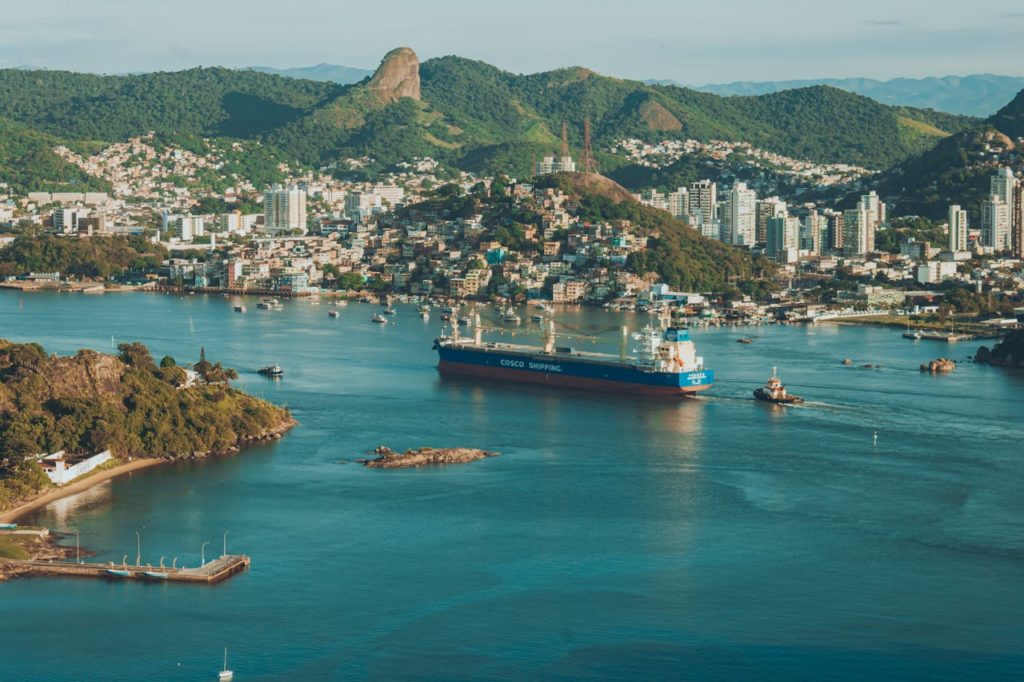
This plenary will explore BRICS+ as a potential progressive alternative to the Western-led international order, its role in fostering South-South cooperation, as well as how other actors, including the European Union, might engage with it.
NIEO and Global Civil Society
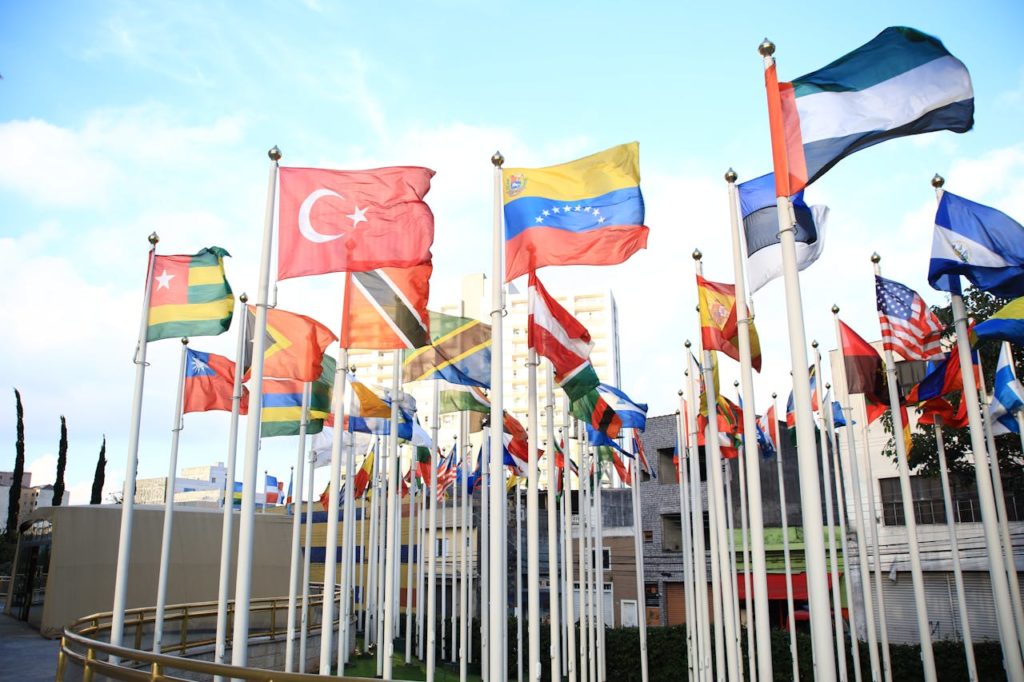
This plenary examines the legacy of the NIEO in shaping resistance by social movements, trade unions and NGOs after its political defeat in the 1970s, exploring how its ideas can inspire contemporary struggles for justice, human rights and opposition to neoliberal and authoritarian pressures worldwide.
Participation at the workshop is by invitation only.
Should you be interested in participating, please contact: office@oefse.at
Meet the speakers
Umut Özsu
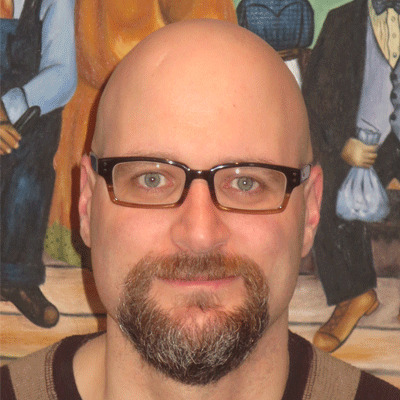
As a professor at Carleton University, he studies the history and theory of international law and Marxist critiques of law, focusing on Third World jurists’ efforts to transform international law during decolonization and address global inequality, economic dependence and persistent “unequal exchange” in international trade. In his work on the New International Economic Order (NIEO), he advocates for the creation of democratized international institutions and legal frameworks, building on the NIEO’s ambitions while extending its reformatory agenda toward more transformative objectives.
Isabel Feichtner
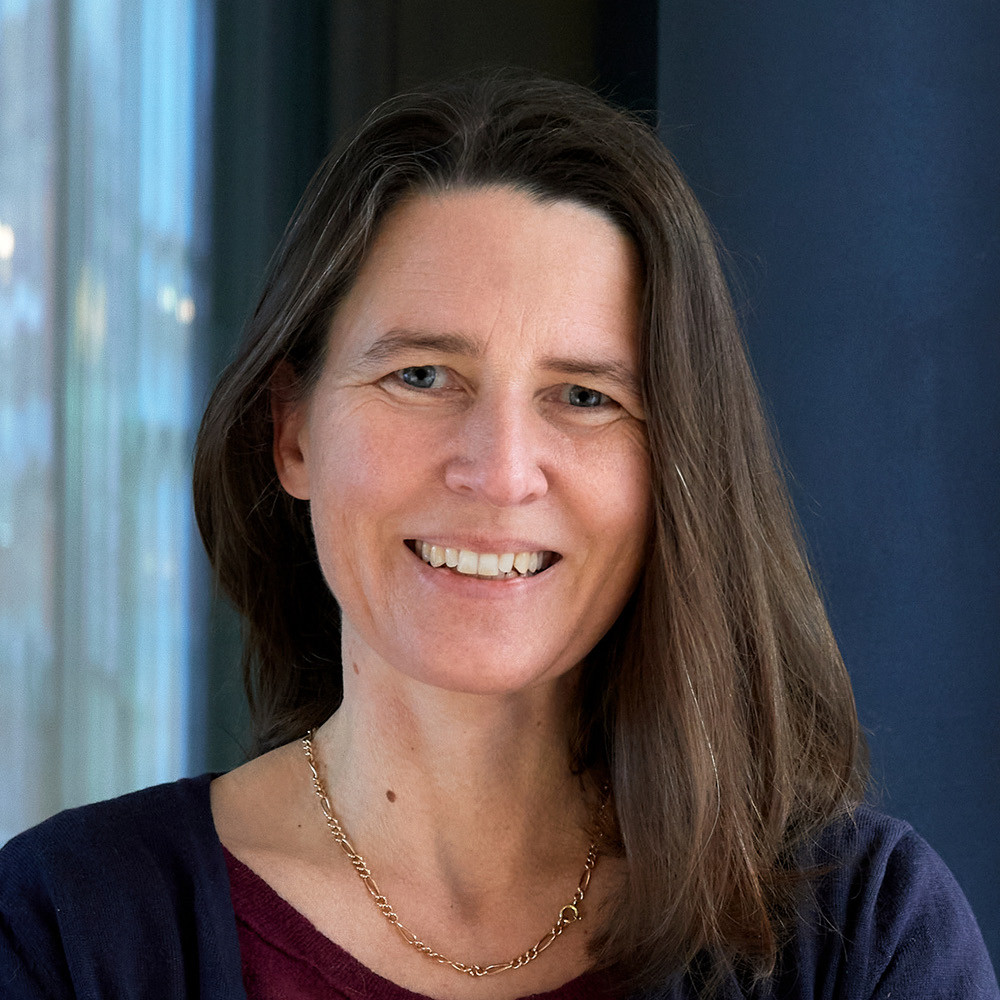
Professor of Public Law and International Economic Law at the University of Würzburg, her research examines the intersection of law, political economy and social-ecological transformation, with a focus on democratizing money and governing common resources. Adopting a critical approach to international economic law, she investigates how legal structures shape the distribution of resources and explores institutional innovations to promote social-ecological transformation through democratization and commoning. She has also analyzed how international organizations use development narratives to legitimize their authority and actions within international law.
Charles Abugre
As a development economist, social justice activist and Executive Director of International Development Economics Associates (IDEAs), his work focuses on economic policy, public finance, poverty alleviation, and natural resource governance in the Global South. A proponent of heterodox development economics, he challenges mainstream neoliberal policies, examining the root causes of debt crises and critiquing IMF-led restructurings that prioritize creditors over citizens. He has co-authored pioneering research on Africa’s vulnerability to illicit financial flows, linking tax abuse, money laundering, and corruption to specific jurisdictions. His work advocates for progressive taxation and stricter regulation of foreign investment to ensure social and environmental accountability.
Ana Elisa Saggioro Garcia
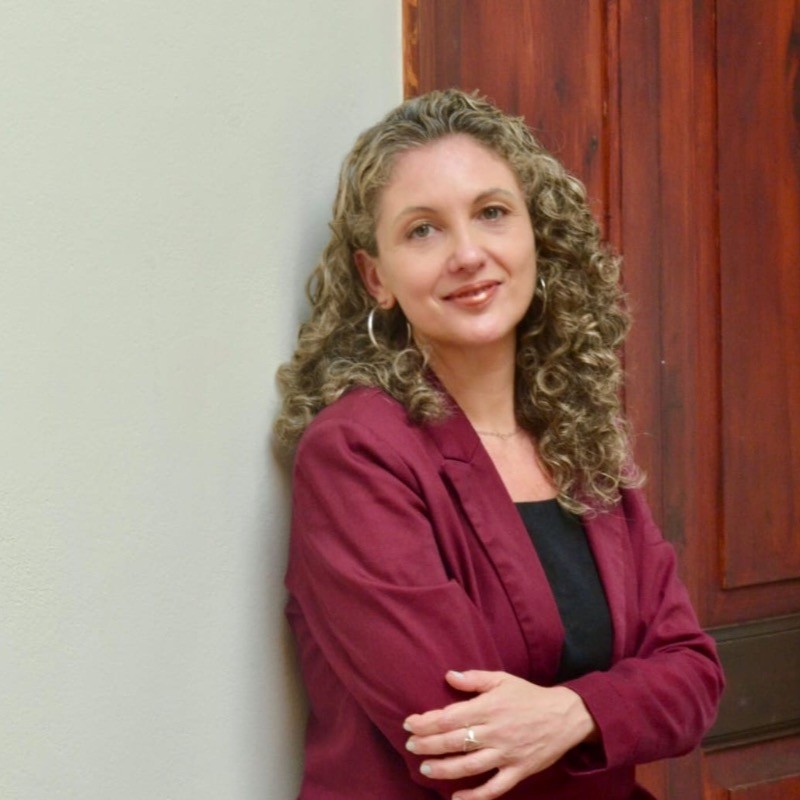
Associate Researcher at the BRICS Policy Center and Professor at the Federal Rural University of Rio de Janeiro, she examines the limits of BRICS’ expansion and its reformist agenda amid US–China rivalries, advocating for de-dollarization and strengthening the Contingent Reserve Arrangement (CRA) to reduce external debt risks for developing nations. Drawing on Critical Theory and Gramscian perspectives, she explores hegemony and counter-hegemony, analyzing how Global South coalitions can challenge Western power structures.
Jomo Kwame Sundaram
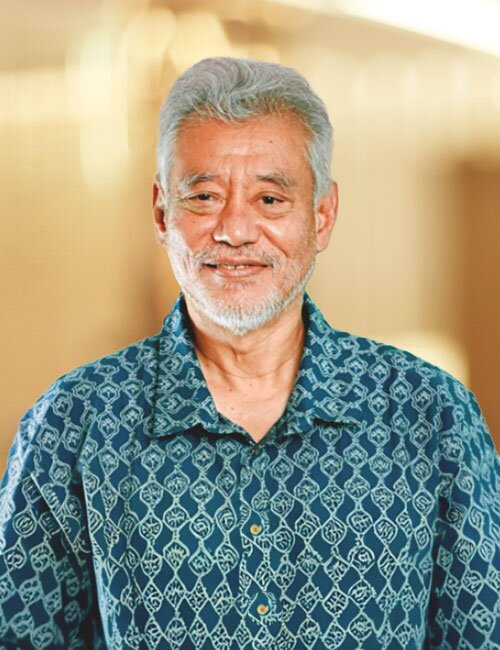
An eminent Malaysian development economist and a leading figure in heterodox economic thought, he examines the negative effects of trade liberalization on development and deindustrialization in developing nations. He advocates for systemic reforms in the Global South, including sovereign debt protection through automatic debt standstills during external shocks, counter-cyclical financing to replace pro-cyclical IMF austerity and multipolar reserve systems to reduce reliance on the US dollar.
Eric Helleiner
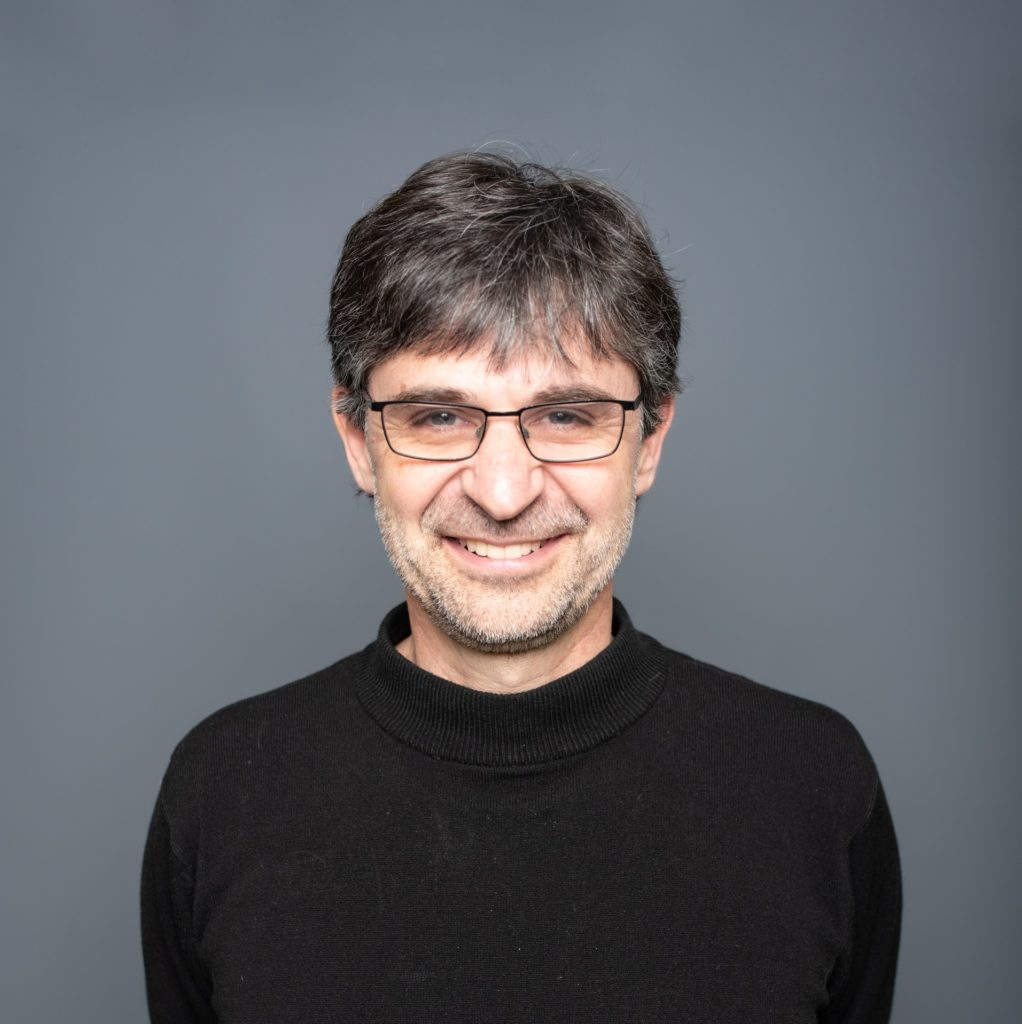
Author and Professor at the University of Waterloo, his work focuses on the intersection of global finance, environmental regulation and the concept of a “polycrisis,” where interacting crises reinforce one another. He examines how financial innovations both contribute and respond to global instability and studies the “greening” of financial markets, including the role of central banks like the People’s Bank of China in advancing environmental mandates. He also advocates for globalizing the history of economic thought, moving beyond Western-centric narratives to include perspectives from the Global South, and analyzes how states have driven the liberalization of global finance.
Jayati Ghosh
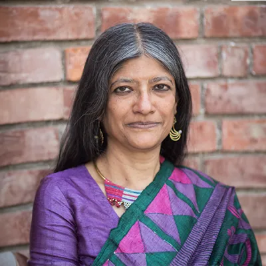
Professor of Economics at University of Massachusetts Amherst and prominent heterodox development economist, her research critiques neoliberal economic paradigms and explores the intersections of globalization, gender and labor. Her work examines how international trade and finance affect developing nations, highlighting the destabilizing effects of commodity speculation and neoliberal reforms. A key focus is feminist economics, particularly the valuation of unpaid labor and the challenges women face in globalized economies, especially in India. She also investigates labor patterns in the Global South, critiquing informalization and the lack of “decent work,” and advocates for development metrics that go “beyond GDP,” incorporating environmental sustainability and social well-being.
Jan Aart Scholte

Scholte is a leading scholar in global studies, known for his heterodox, post–state-centric approach. He emphasizes polycentric governance, arguing that global decision-making occurs through overlapping, decentralized networks rather than a single hierarchy. He defines globalization as a transformation of social geography, where connections transcend physical borders. His research also examines the legitimacy of global institutions, such as the UN and ICANN and explores ways to foster global democracy beyond the nation-state.
Vijay Prashad
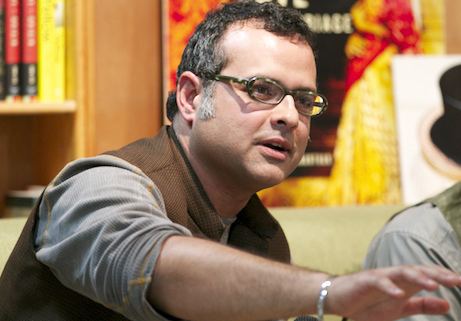
As Executive Director of the Tricontinental Institute for Social Research, his work critically engages with capitalism, imperialism and (neo-)colonialism, examining the hegemony of the Global North and the proliferation of imperialist structures through institutions such as the WTO. He analyzes BRICS as an expression of neoliberalism with Southern characteristics and has written extensively on the global economy of the 20th century, with particular attention to the rise and failure of the New International Economic Order (NIEO) and the underlying factors that shaped its trajectory.
Evelyn Astor

As Director of Economic and Social Policy at the International Trade Union Confederation (ITUC), which represents trade unions across all sectors in more than 160 countries, she works to ensure that workers’ interests and concerns are reflected in global economic and social policymaking. Her work includes engagement with the International Labour Organization, the wider UN system, the World Bank, the International Monetary Fund, and the G20. Her team focuses on a broad range of issues, including macroeconomic and employment policy, social protection, and emerging trends shaping the future of work, such as digitalisation and artificial intelligence. She also serves on several boards and advisory bodies, including the UK’s Ethical Trading Initiative and the Global Tripartite Advisory Committee for Social Protection of the International Labour Organization.